
How to Maintain Your Gravel Driveway Through Winter
Winter can be hard on your property, and one of the most affected areas is your gravel driveway. The freezing temperatures, snow, ice, and heavy rainfall that often accompany winter weather can quickly lead to the deterioration of your gravel driveway if not properly maintained. Whether you’ve noticed potholes forming, ruts developing, or drainage issues cropping up, it’s essential to perform regular gravel driveway maintenance to ensure your driveway stays in great shape and remains functional.
In this comprehensive guide, we will discuss how to properly maintain your gravel driveway through winter, including tips for preventing damage, managing drainage, dealing with snow and ice, and handling wear and tear. With the right steps and routine care, your gravel driveway can withstand the elements and remain a stable and safe surface throughout the colder months.
Why Gravel Driveways Need Winter Maintenance
A gravel driveway is an affordable and functional option for many homeowners, but the winter weather can cause significant wear and tear on it. As temperatures drop and precipitation increases, your driveway becomes vulnerable to issues such as:
- Water damage: Poor drainage during heavy rains or melting snow can lead to water pooling in low spots, which can erode the gravel and cause further damage.
- Debris accumulation: Runoff can carry debris like dirt, leaves, and branches onto your driveway, leading to clogged drainage and potential damage to the surface.
To prevent these issues and extend the life of your gravel driveway, it’s important to follow a proper winter maintenance routine that addresses these challenges and protects the surface.
1. Preparing Your Gravel Driveway for Winter
Before the winter weather hits, it’s crucial to prepare your gravel driveway to handle the upcoming conditions. Here are the essential steps to take before the cold sets in:
Inspect for Damage
The first step in preparing your driveway for winter is to inspect it for any pre-existing damage. Look for low spots subject to flooding, places where runoff is inhibited from reaching a safe discharge area, potholes or ruts that could worsen once the rain and snow begin. It’s important to address these issues before winter weather arrives.
- Pothole repair: For larger potholes, use gravel to fill the holes. Compact the surface to ensure it is level and stable.
Regrade Your Driveway
Grading is an essential part of gravel driveway maintenance. If your driveway has developed ruts or low spots, you may want to regrade the surface to ensure proper water drainage. A properly graded driveway will help direct water away from the surface, preventing puddling and erosion.
- Compacting the gravel: After grading, use a compactor to compress the gravel, which will create a firm surface that can handle winter traffic and prevent gravel from shifting.
Add Gravel if Necessary
If your driveway is thin in certain spots or gravel has been displaced during the year, now is the time to replenish it. Adding a fresh layer of gravel ensures a smooth surface and helps to maintain the structural integrity of the driveway through the winter.
- Choosing the right gravel: Use angular gravel that compacts well and provides a stable surface. Avoid round gravel, as it doesn’t stay in place as effectively.
2. Preventing Drainage Issues in Winter
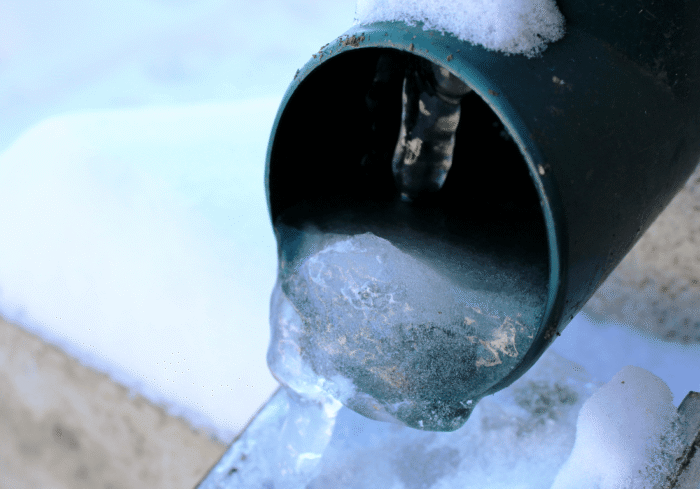
Proper drainage is essential for the longevity of your gravel driveway. Without it, snowmelt and rainwater can pool in low areas, causing erosion and gravel displacement. To prevent drainage issues, consider the following steps:
Install or Maintain Drainage Systems
Ensure your driveway has an effective drainage system to direct water away from the surface. Install or maintain drainage solutions like:
- French drains: These can be installed along the edges of the driveway to direct water away from the surface.
- Surface drains: Place surface drains in low areas to prevent water from pooling and eroding the gravel.
- Culverts: If your driveway crosses a ditch or waterway, installing culverts can help direct water under the driveway and reduce erosion.
Create a Slight Slope
The slope of your gravel driveway is crucial for ensuring that water flows off the surface. Ideally, your driveway should have a slight slope (2-5%) that directs water to the sides or the end of the driveway. If necessary, regrade the surface to create this slope, which will prevent water from pooling and reduce the risk of erosion and damage.
Reroute Downspouts
If your gutters and downspouts discharge directly onto your gravel driveway, this can create water pooling and erosion. Consider rerouting your downspouts to direct water away from the driveway, using extensions or underground pipes to channel the water away from the gravel surface.
3. Dealing with Snow and Ice
Snow and ice can cause significant damage to your gravel driveway, making it slippery and dangerous to drive on. However, with proper maintenance and precautions, you can minimize the risks associated with snow and ice buildup.
Shovel or Plow Snow Early
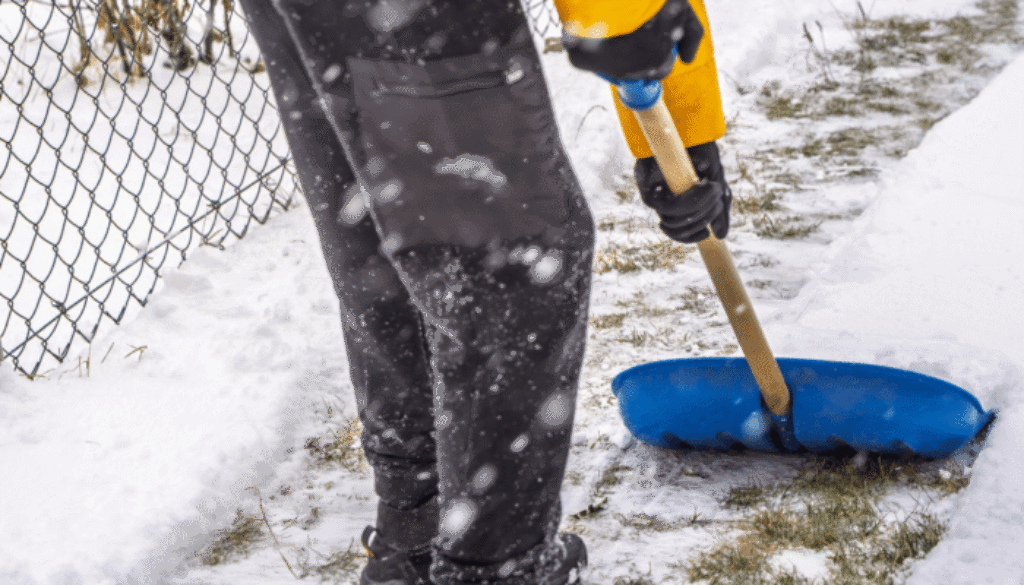
The earlier you clear snow from your driveway, the better. Prolonged exposure to snow can compact the material, making it harder to remove and leading to ice formation. Use a snow shovel, snow blower, or plow to clear snow as soon as possible after a snowfall.
- Use caution with plows: When using a plow, avoid scraping the surface too aggressively, as this can disturb the gravel and leave ruts in the driveway.
4. Maintain Regular Gravel Driveway Inspections
In addition to performing seasonal maintenance, it’s essential to inspect your gravel driveway regularly to ensure it remains in good condition throughout the winter. Inspections help you catch minor issues before they turn into major problems, allowing for timely repairs and maintenance.
Inspect for Wear and Damage
After heavy snowfall or a storm, inspect the driveway for any signs of damage such as ruts and potholes. Early detection allows you to make repairs before they worsen.
Check for Drainage Issues
Ensure that your drainage systems are clear of debris and functioning properly. If you notice pooling water or areas that remain wet, you may need to make adjustments to your grading or drainage systems.
Look for Signs of Gravel Shifting
Over time, gravel can shift due to weather conditions or heavy vehicle traffic. Regularly check for any areas where the gravel has moved, and use a rake to redistribute it evenly across the driveway. Re-compacting the surface can also help prevent gravel from shifting.
5. Replenish Gravel After Winter
Winter weather can cause some gravel to shift, wash away, or press into the soil, leaving your driveway uneven. Once the storms have passed, consider replenishing your gravel to restore the surface.
- Regrade and Top Off: After regrading trouble spots to ensure that water flows properly and that the driveway remains smooth and functional an additional light layer of rock can be spread and compacted.
Conclusion
Maintaining your gravel driveway is essential to ensure its durability and functionality. From preparing for rain, snow and ice to managing drainage and replenishing gravel, proper care can help your driveway withstand the challenges of year-round use. By following the tips and guidelines outlined in this blog, you can protect your gravel driveway from damage, improve its longevity, and enjoy a smooth, stable surface.
If you need professional gravel driveway maintenance or installation services, contact us today. Our experienced team is ready to help you keep your driveway in top condition throughout the winter and beyond.