The Guide to Asphalt Driveway Maintenance – Keeping Your Driveway Safe and Durable
An asphalt driveway is an essential part of your home’s exterior, offering convenience, functionality, and curb appeal. However, like any outdoor surface, it requires proper care and maintenance to ensure it remains safe, durable, and visually appealing over time. Regular asphalt driveway maintenance not only extends the life of your driveway but also helps to prevent costly repairs and the need for early replacement.
In this guide, we’ll walk you through the essential steps of asphalt driveway maintenance, covering everything from surface care and crack prevention to sealing and drainage management. By following these tips and recommendations, you’ll keep your asphalt driveway in top condition for years to come.
Why Asphalt Driveway Maintenance is Crucial
Your asphalt driveway is constantly exposed to a variety of environmental elements—sunlight, rain, snow, and heavy traffic. Without proper care, these elements can cause deterioration, leading to cracks, potholes, and uneven surfaces. Regular asphalt driveway maintenance helps to preserve the integrity of the driveway, ensuring it remains functional and aesthetically pleasing.
Benefits of Regular Asphalt Driveway Maintenance:
- Improved longevity: Regular upkeep can significantly extend the lifespan of your asphalt driveway, saving you money in the long run.
- Enhanced curb appeal: A well-maintained driveway adds to the overall aesthetic of your property, boosting its visual appeal.
- Cost savings: Proactive maintenance prevents small issues from becoming major problems, reducing the likelihood of costly repairs or replacement.
- Safety: A well-maintained driveway reduces the risk of tripping hazards and improves traction for vehicles, especially during wet or icy conditions.
Common Problems with Asphalt Driveways
Before diving into the maintenance process, it’s important to understand the common issues that can arise with asphalt driveways:
1. Cracking
Cracks are one of the most common issues with asphalt driveways. They can be caused by several factors, including:
- Age and wear: Over time, asphalt naturally begins to break down due to UV exposure and weathering.
- Temperature fluctuations: Freezing and thawing cycles can cause the asphalt to expand and contract, leading to cracks.
- Water infiltration: Water can seep into cracks, weakening the foundation and causing further damage.
2. Potholes
Potholes form when cracks or depressions in the asphalt surface worsen due to vehicle traffic and water infiltration. They can become a significant safety hazard and may require more extensive repairs if left untreated.
3. Ruts and Depressions
Heavy vehicles or consistent traffic can cause ruts and depressions in the asphalt surface. Over time, these areas can deepen, leading to uneven surfaces and drainage issues.
4. Surface Damage
The top layer of asphalt can become damaged due to wear and tear from traffic, weather, and improper maintenance. This may cause the surface to lose its smoothness, leading to a rough, uneven driveway.
How to Perform Asphalt Driveway Maintenance
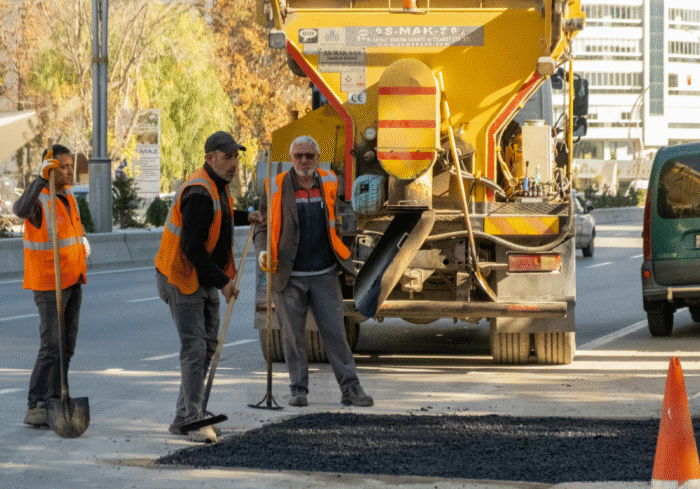
Proper asphalt driveway maintenance requires a combination of preventive measures, timely repairs, and regular upkeep. Here are the essential steps to maintain your driveway and extend its life:
1. Clean the Driveway Regularly
Cleaning your driveway regularly helps prevent dirt, debris, and oil stains from accumulating on the surface. These materials can break down the asphalt over time, leading to surface damage.
How to Clean Your Asphalt Driveway:
- Sweep the surface: Use a broom to remove debris like leaves, dirt, and stones. Sweeping the driveway weekly will help maintain its condition and prevent the accumulation of debris.
- Wash with soap and water: Occasionally, wash the driveway with soapy water and a pressure washer to remove stubborn stains. Avoid using harsh chemicals that can damage the surface.
- Remove oil stains: Oil stains can break down asphalt, so it’s essential to remove them as soon as possible. Use a degreaser or absorbent material like cat litter to soak up the oil, and scrub the area with a stiff-bristled brush.
2. Inspect for Cracks and Potholes
Frequent inspections are crucial for identifying cracks, potholes, or any other signs of damage. Addressing these issues early prevents them from worsening and causing further damage.
How to Repair Cracks:
- Clean the cracks: Before filling cracks, clean them thoroughly by removing debris, dirt, and loose gravel.
- Fill the cracks: Use a cold-patch asphalt filler or crack sealant specifically designed for asphalt. Apply the filler using a putty knife or trowel, making sure to smooth it out for an even surface.
- Compact the repair: When using cold-patch asphalt filler, be sure to compact the surface once the material is in place to ensure the material adheres properly and creates a level surface.
How to Repair Potholes:
- Remove debris: Clear out any loose gravel or broken asphalt from the pothole to create a clean surface.
- Fill the pothole: Apply cold-patch asphalt into the hole, making sure to fill it to the level of the surrounding surface. With potholes deeper than 2” it’s a good idea to place base rock (¾” aggregate base) in the bottom of the pothole before covering with cold-patch.
- Compact the patch: Use a compactor or tamping tool to firmly compact the repair, ensuring it is stable and level.
3. Re-seal the Driveway
Sealing your asphalt driveway is one of the most effective ways to protect it from the elements. A good sealcoat creates a barrier that prevents water, UV rays, oil, and other harmful substances from penetrating the asphalt and causing damage.
When to Seal Your Driveway:
- Timing: It’s best to seal your driveway every 2-3 years, or more frequently if you live in an area with harsh weather conditions.
- After repairs: If you’ve made repairs to cracks or potholes, allow the repairs to cure fully before applying sealant.
- Weather conditions: Seal your driveway during dry, warm weather when the overnight temperature is above 50°F to ensure optimal adhesion.
How to Seal Your Driveway:
- Clean the surface: Thoroughly clean the surface before applying sealant. Remove any debris, dirt, or oil stains to ensure that the sealant adheres properly.
- Apply the sealant: Use a driveway sealant specifically designed for asphalt. Pour the sealant onto the surface and use a squeegee, brush, or roller to spread it evenly. Be sure to apply an even coat to the entire driveway.
- Allow the sealant to dry: Let the sealant dry completely before using the driveway. This typically takes 24-48 hours, depending on the weather.
4. Maintain Proper Drainage
One of the most common causes of asphalt driveway damage is poor drainage. Water that pools on the surface or collects around the edges of the driveway can cause erosion and weaken the foundation. Ensuring proper drainage will help prevent damage and prolong the life of your driveway.
How to Ensure Proper Drainage:
- Grading: The driveway should have a slight slope to allow water to flow away from the foundation and toward the sides or the end of the driveway.
- Install drainage systems: If water tends to pool in certain areas, consider installing French drains, surface drains, or culverts to direct water away from the driveway.
- Maintain gutters and downspouts: Ensure that your gutters and downspouts are clear of debris and properly direct water away from the driveway. This will help prevent water from collecting on the surface.
When to Call a Professional for Asphalt Driveway Maintenance
While many aspects of asphalt driveway maintenance can be handled by homeowners, some situations require professional attention. If you have extensive cracks, large potholes, or drainage issues that need to be addressed, it’s best to call a professional.
Professional contractors can:
- Assess the condition of your driveway
- Provide expert repairs and maintenance
- Ensure that the driveway is properly graded and draining
- Perform a thorough sealcoating to protect the surface
Conclusion
Regular asphalt driveway maintenance is essential for preserving the functionality, safety, and appearance of your driveway. By performing regular inspections, addressing cracks and potholes, sealing the surface, and ensuring proper drainage, you can extend the lifespan of your driveway and avoid costly repairs. Proactive care will keep your driveway safe, durable, and looking great for many years to come.
If you need help with your asphalt driveway maintenance, contact us today. We offer a full range of services, from repairs and grading to sealcoating and drainage solutions, ensuring that your driveway stays in optimal condition all year round.